The R&M “Lettre”

Sign-up for La Lettre from R&M to get the essentials of current affairs in the diamond industry and privileged access to the articles published below

We keep your data private and only share it with third parties that make this service possible. Read our Confidentiality Policy for more information.

esperluette

Diamond consumer interests

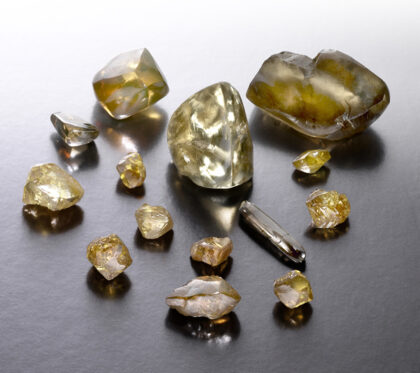
Among the many significant developments that evolved in the diamond industry in 2012 was a growing awareness about price differences between tinted and non-tinted polished stones. Diamond dealers have come to recognize stones with a greenish-brownish tint as having originated from Zimbabwe’s Marange mines.

Blood in the water, sharks circling

Hardly anything trumps bad news, especially if it’s full of blood and gore. Everyone rubbernecks to see the damage when passing a car accident. Serious twisted wreckage makes us slow down even more to get a longer look at the disaster.

Colored diamonds 101

While the majority of diamonds appear colorless or have only a slight yellow tint, the world’s most famous diamonds — among them, the blue Hope diamond and the Moussaieff red diamond — are colored, Charlotte McLeod says in an article posted on resourceinvestingnews.com.

Sustainable diamond demand

The recent improvement in both rough diamond trading and prices in the secondary market should raise some eyebrows. While it has helped inject additional confidence into the market, it remains unclear whether this momentum will be sustained.

From ethical nightmares to moral clarity

What is the chance for an American consumer to buy these days a piece of diamond jewelry made of a rough diamond found, for instance, in the Soviet Union in 1974? Or in Angola in 1993? Or in Côte d’Ivoire in 1995? According to Chaim Even-Zohar, the “home mine” owned by the U.S. population has […]