
An offshore account tutorial, anyone?
It is simple for John Q. Citizen of New York City to place money in an offshore account. Just how easy is it for him – and you – to open such an account?
Sign-up for La Lettre from R&M to get the essentials of current affairs in the diamond industry and privileged access to the articles published below
We keep your data private and only share it with third parties that make this service possible. Read our Confidentiality Policy for more information.
It is simple for John Q. Citizen of New York City to place money in an offshore account. Just how easy is it for him – and you – to open such an account?
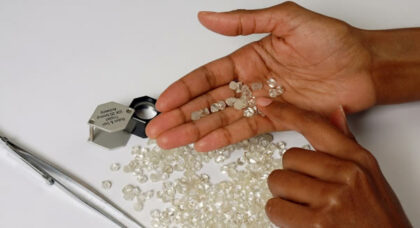
Rising demand and prices characterize the global rough diamond sector today. Demand for rough diamonds is driven by a steady demand for polished and some speculation, leading to premiums of 5-10 percent.
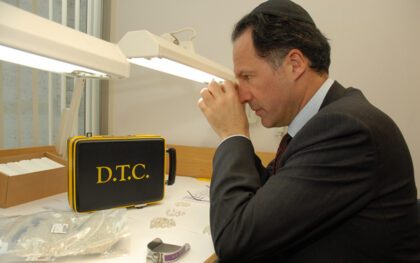
The De Beers April sight ended last week with an estimated value of $650 million after the company raised prices by an average 3 percent.

Polished diamond prices edged higher in March, according to the IDEX Online Polished Diamond Price Index.
Governments don’t like it when people and companies don’t pay their taxes. The main problem with this money, at least from the perspective of the tax evader, is that it needs to be hidden from authorities.
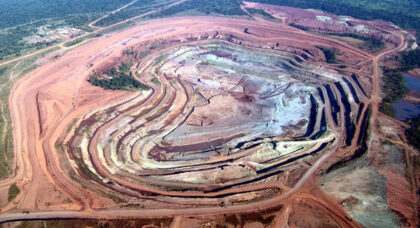
ALROSA is seriously mulling over the resumption of its business in Africa, which was virtually frozen in 2009.
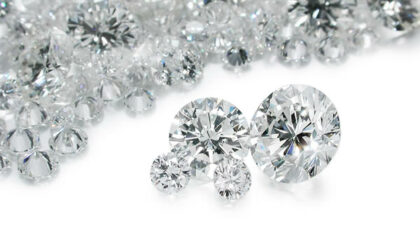
After a long period of stunted trading in the polished wholesale sector and low prices, a turnaround was witnessed in March. The much-anticipated Hong Kong International Jewellery Show exceeded expectations, jumpstarting business in the global diamond trading centers.

Anglo American, which completed the consolidation of its 85-percent stake in De Beers last year, has gained control over the world’s largest diamond mining company possessing unique assets, a distribution network and brands, one of which, “A diamond is forever,” is recognized as the most effective slogan of the 20th century.

Let’s start with the bottom line – U.S. retailers need to pay more for the jewelry they are selling, and don’t get that much more when selling it.

In many respects, the contrast could not have been starker. Two vastly different diamond industry events took place this week, one in Dubai and the other in Ramat Gan, seemingly with different agendas and each reflecting different aspects of the trade.
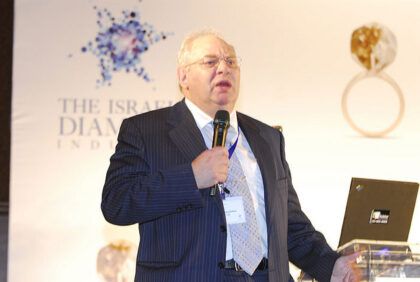
Diamond industry analyst Chaim Even-Zohar of Tacy Ltd opened the afternoon session of the final day of Israel Diamond Week with a presentation on the ‘State of the International Diamond Industry’.
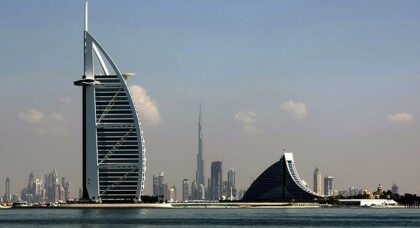
Dubai is actively working to position itself to replace Antwerp as the rough diamond-trading center of the world.