
Undisclosed and still unpunished, part II
I’ve been reading all the reports this week about the next trade “crisis,” the apparently large volumes of undisclosed synthetic melee being mixed in with batches of natural diamonds.
Sign-up for La Lettre from R&M to get the essentials of current affairs in the diamond industry and privileged access to the articles published below
We keep your data private and only share it with third parties that make this service possible. Read our Confidentiality Policy for more information.
I’ve been reading all the reports this week about the next trade “crisis,” the apparently large volumes of undisclosed synthetic melee being mixed in with batches of natural diamonds.
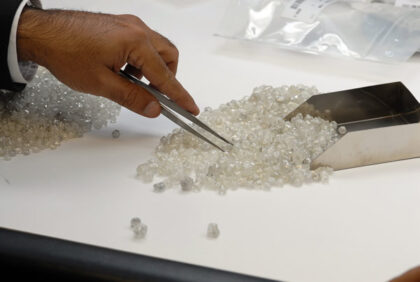
Given recent reports that synthetic melee is being sold undetected, the question is: How should the industry handle this?
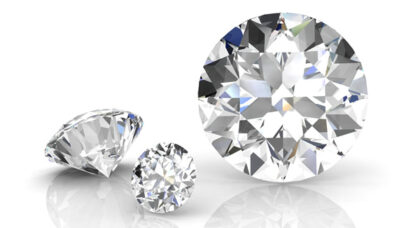
There is rising concern that synthetic lab-grown diamonds are filtering into the market mixed into parcels of natural diamonds.
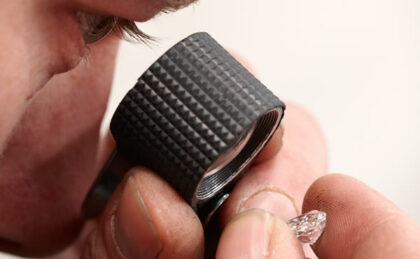
After months of pointing out what is wrong and needs changing in the diamond industry, discussing problems and spreading gloom, it is time to take a positive approach and make constructive suggestions, a roadmap to a healthier sector, if you will.
Zimbabwean President Robert Mugabe claimed last month that former Zimbabwe Mining Development Corporation (ZMDC) chairperson Godwills Masimirembwa extorted $6 million from a Ghanaian company that sought to invest in the Marange diamond field on a joint venture agreement with the state-owned firm.
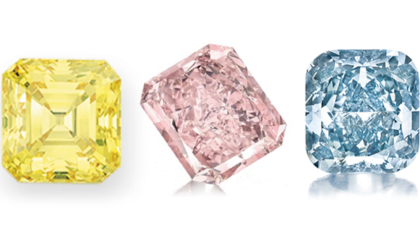
Fancy colored diamond prices are showing significant gains in 2013 while other goods struggle along.
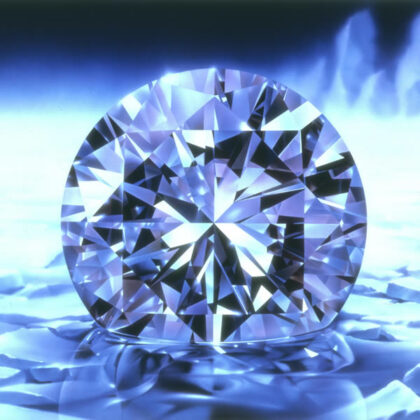
The solid prices achieved at Christie’s auction on Wednesday are proof that investment in high-end diamonds is going strong – exceptional diamonds become available at a slow pace, sellers find buyers and buyers are paying top dollar for these rare and beautiful diamonds.

October marked “the end of an era” at De Beers, as it closed the book on 80 years of holding its sights in London. And now, we turn the page to a new era: November brings the first allocation held at De Beers’ new sorting center in Gaborone, Botswana.

The U.S. government shutdown that began on October 1 could not have come at a worse time for retailers. While the impasse continues, the all-important Thanksgiving weekend is fast approaching – a time when retailers could do with every sense of stability at their disposal.
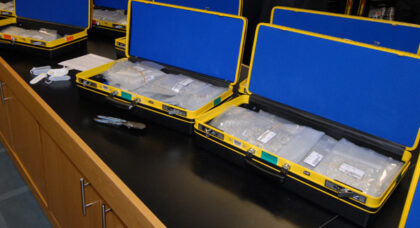
De Beers sightholders expressed frustration following the October sight as there remains little profitability or liquidity on the rough market.

The sweet smell of coffee’s success is a learning opportunity for diamonds. In Israel, a cup of cappuccino costs 10-15 shekels ($2.80-$4.20) depending on the café and its location.
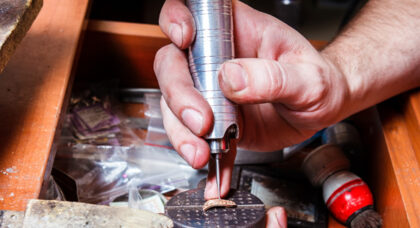
The statement published this week by India’s diamond industry had an unnerving, 2008 feel to it. While the Gem & Jewellery Export Promotion Council (GJEPC) fell short of stopping all rough imports to the country, as it did in response to the 2008 crisis, the group reported that India’s medium-to-large diamond manufacturers have significantly reduced […]