The Kimberley Process’ year of living boringly
After two years of crisis, and then another year of renewed energy with the United States at its helm, the Kimberley Process this year was pretty unexciting. And that’s both good and bad.
Sign-up for La Lettre from R&M to get the essentials of current affairs in the diamond industry and privileged access to the articles published below
We keep your data private and only share it with third parties that make this service possible. Read our Confidentiality Policy for more information.
After two years of crisis, and then another year of renewed energy with the United States at its helm, the Kimberley Process this year was pretty unexciting. And that’s both good and bad.
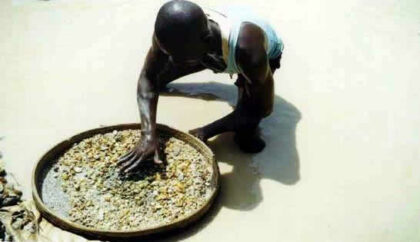
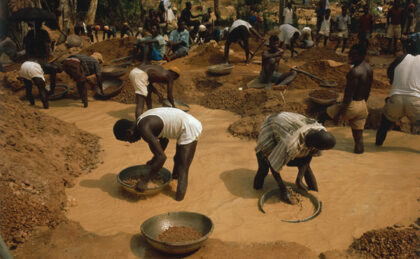
(Bloomberg) – Diamonds from Zimbabwe’s Marange fields will be sold in Antwerp after the European Union lifted sanctions even as rights groups allege abuses at the mines and say revenue has financed President Robert Mugabe’s ruling party.
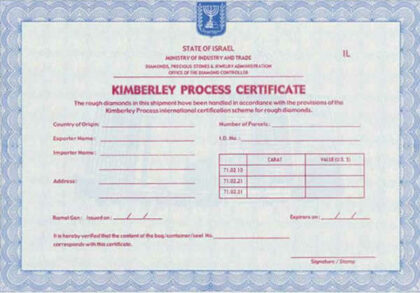
As diamond market participants are well aware, the central aim of the Kimberley Process Certification Scheme (KPCS) is to curb trade in conflict diamonds.

Johannesburg – Last year at this time, the stage was set for a climatic meeting in Washington, with the Kimberley Process voting on an issue that had been debated and discussed all year: broadening the definition of “conflict” diamond.

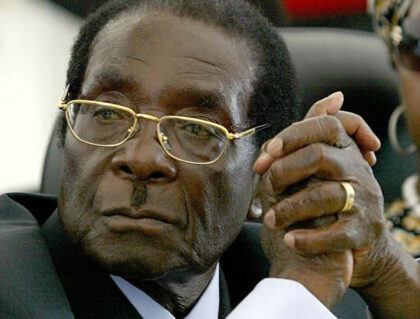
Zimbabwean President Robert Mugabe claimed last month that former Zimbabwe Mining Development Corporation (ZMDC) chairperson Godwills Masimirembwa extorted $6 million from a Ghanaian company that sought to invest in the Marange diamond field on a joint venture agreement with the state-owned firm.
In February this year, the European Union (EU) agreed that it will lift sanctions imposed on the Zimbabwe Mining Development Corporation (ZMDC) within a month of the Zimbabwe plebiscite if all member states agree it was peaceful and transparent.
Today, a company’s ability to demonstrate social responsibility of its business is needed as much as its financial statements verified by auditors.

The sudden resignation of Gemological Institute of America (GIA) President Donna Baker last month perplexed many and set off endless rumors.

In an appearance at a July 29 JA show panel, U.S. Assistant Secretary of State Jose W. Fernandez urged the industry to do more to track the origin of its diamonds.

Last week, Eli Izhakoff stepped down after 13 years heading the World Diamond Council, which represents the diamond industry in front of the Kimberley Process.

Eng. Antonio Carlos Sumbula Chairman of Endiama, Honourable Governors and Ministers, Your Excellency Prof. Dr. Francisco Queiroz, Mr. Ambassador Nhlapo, Hon. Susan Shabangu,

After 4½ sometimes turbulent years manning the State Department’s conflict diamond desk and being involved with the Kimberley Process, Brad Brooks-Rubin is moving on.