Swiss lab introduces synthetic melee diamonds identifier
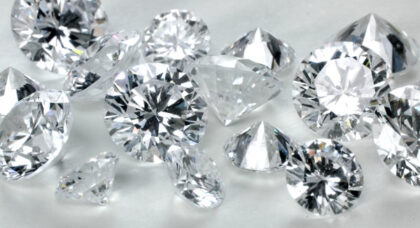
Basel – The Swiss Gemmological Institute SSEF in Basel has become the latest laboratory to create a machine designed to distinguish lab-grown melee diamonds from mined.
Sign-up for La Lettre from R&M to get the essentials of current affairs in the diamond industry and privileged access to the articles published below
We keep your data private and only share it with third parties that make this service possible. Read our Confidentiality Policy for more information.
Basel – The Swiss Gemmological Institute SSEF in Basel has become the latest laboratory to create a machine designed to distinguish lab-grown melee diamonds from mined.
In early February, we ran a story about a new program called Sustainable in Style. Created by Scottsdale, Ariz.-based diamond company Avilan, the program pairs independents designers–Sofia Kaman, Toby Pomeroy and Megan Thorne among them–with Avilan’s “eco ethical” Storied Diamonds, which are recycled, or previously owned, stones.
Some further thoughts stemming from last week’s post on Antwerp and Zimbabwe.
The Financial Action Task Force’s (FATF) latest typologies report has concluded that the diamonds trade is subject to considerable money laundering and terrorist financing vulnerabilities and risks.
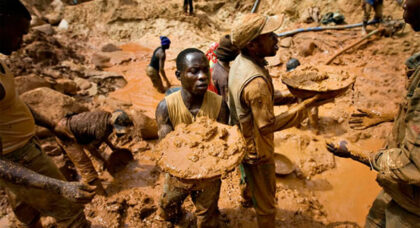
The internecine wars, which took place in the 1990s in Angola, the Democratic Republic of the Congo, Liberia and Sierra Leone, were largely bankrolled and fuelled by trade in conflict minerals, particularly diamonds.
An acquaintance of mine runs a small diamond business. He does not have a web site, nor does he have a Facebook page. He is not LinkedIn, would have no idea how to Tweet and, frankly, could not care less about social media marketing.
After two years of crisis, and then another year of renewed energy with the United States at its helm, the Kimberley Process this year was pretty unexciting. And that’s both good and bad.
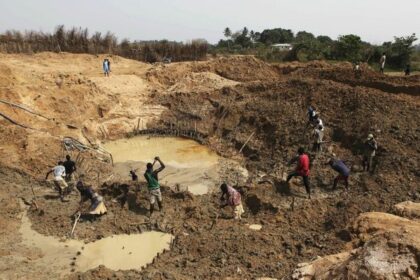
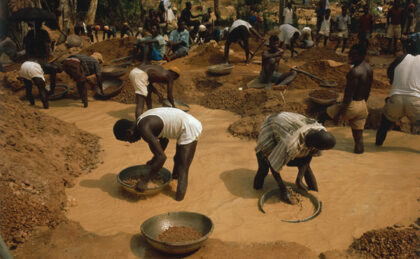
(Bloomberg) – Diamonds from Zimbabwe’s Marange fields will be sold in Antwerp after the European Union lifted sanctions even as rights groups allege abuses at the mines and say revenue has financed President Robert Mugabe’s ruling party.
As diamond market participants are well aware, the central aim of the Kimberley Process Certification Scheme (KPCS) is to curb trade in conflict diamonds.
Johannesburg – Last year at this time, the stage was set for a climatic meeting in Washington, with the Kimberley Process voting on an issue that had been debated and discussed all year: broadening the definition of “conflict” diamond.
Zimbabwean President Robert Mugabe claimed last month that former Zimbabwe Mining Development Corporation (ZMDC) chairperson Godwills Masimirembwa extorted $6 million from a Ghanaian company that sought to invest in the Marange diamond field on a joint venture agreement with the state-owned firm.
In February this year, the European Union (EU) agreed that it will lift sanctions imposed on the Zimbabwe Mining Development Corporation (ZMDC) within a month of the Zimbabwe plebiscite if all member states agree it was peaceful and transparent.